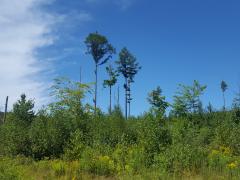
Young Forest, the forest type that is dominated by dense shrubs and trees less than 20 years old, is an extremely important cover type for wildlife in Vermont. More than 60 wildlife species – including mammals, birds, reptiles, and insects – need young forest to survive.
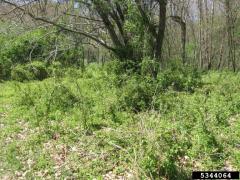
When recalling a drive down a dusty country road, you might remember seeing round green shrubs speckled with small white flowers, in otherwise empty grazing paddocks, or along farm fields. This plant is called multiflora rose (Rosa multiflora) and is a perennial shrub within the Rose family, Rosaceae. The name, multiflora, means “many flowered”, and its nickname, “rambler rose” perhaps comes from its tendency to spread from cane or seed.
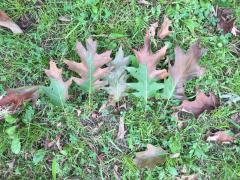
Although you might think we already have our fair share of forest health issues to deal with here, it’s time for Vermont to start thinking about yet another forest disease on the horizon – oak wilt. Oak wilt affects the vascular systems of oak trees and is caused by the fungus Bretziella fagacearum (formerly Ceratocystis fagacearum). Although there is still debate on whether this fungus occurs naturally here in North America or has been introduced from elsewhere, one thing not up for debate is that this fungus is a tree killer.
Description: In collaboration with VTrans Maintenance & Operations Bureau, the VT Department of Forests, Parks, & Recreation’s Invasive Plant Program is working to mitigate the impacts of one of the biggest issues facing Vermont’s forests and publicways – invasive plants. Through a combination of extensive outreach and targeted management on state lands, the program aims to protect these areas and to bring awareness to the issue of invasive plants.
This internship position will support these efforts and encompass two distinct roles: 1) Create outreach materials for use by VTFPR and VTrans staff and distribute the material to a broader audience through VTinvasives.org and elsewhere 2) Assist the habitat restoration crew with invasive plant management activities on state land
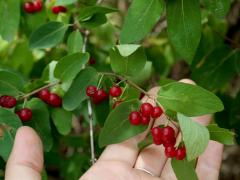
Winter walks through the woods can reveal many things to us—the tracks of our wildlife neighbors, the contours of the landscape, and with a practiced eye, the overwintering branches of woody understory plants like honeysuckle.
Owning land can be hard work, and it can cost landowners a lot of money to properly manage land for forest health and quality wildlife habitat. To help relieve some of the financial burden of some land management activities, the Natural Resources Conservation Service (NRCS) offers the cost-share Environmental Quality Incentives Program (EQIP) for landowners throughout Vermont.
The Vermont Urban & Community Forestry Program is partnering with the Young Writers Project to raise awareness about emerald ash borer and its impact on Vermont forests and communities.
The 2018 Vermont Habitat Stamp Annual Report, released earlier this winter, highlights the conservation power of the multiplier effect – where one action can be a catalyst for other actions and the effects keep radiating out. This past year, over $110,000 were raised from donations and were then used to leverage an additional $143,000 in federal funds. This created a total reserve of over $253,000 to be used for habitat conservation by the Vermont Department of Fish and Wildlife.
The growing season for 2018 saw many projects across the state tackling the forest, field, and wetland health issue of non-native invasive plants. Below are highlights of some of these amazing local efforts. Huge thanks to everyone who is working toward making our Vermont landscapes healthier and more resilient, and protecting them for generations to come.
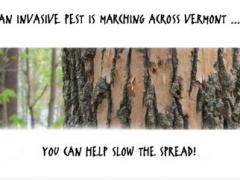
These grants will support efforts to prepare for and manage the impacts of emerald ash borer (EAB). EAB is a destructive and invasive forest pest that feeds on all species of ash trees, killing over 99% within four years of infestation. The state's forested land is made up of about 5% ash, yet up to 50% of downtown trees in Vermont are ash. All said, Vermont is home to an estimated 160 million ash trees. EAB is now confirmed in Orange, Washington, Caledonia, Grand Isle, and Bennington Counties. Communities statewide are encouraged to prepare to manage the decline of ash trees and the future of an urban tree canopy without ash.