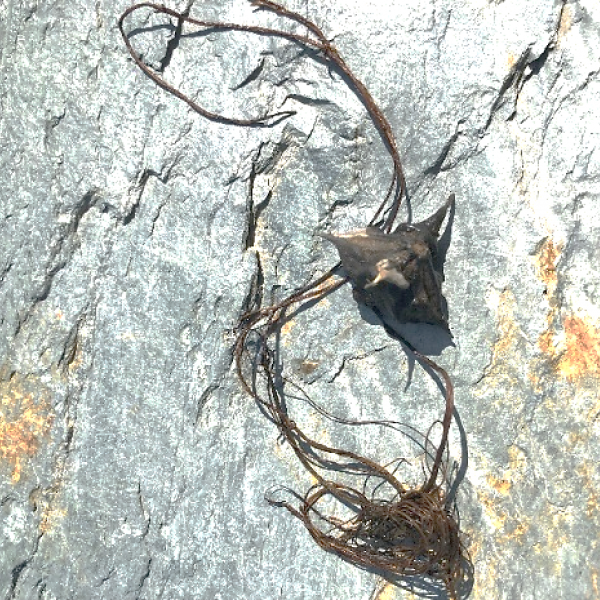
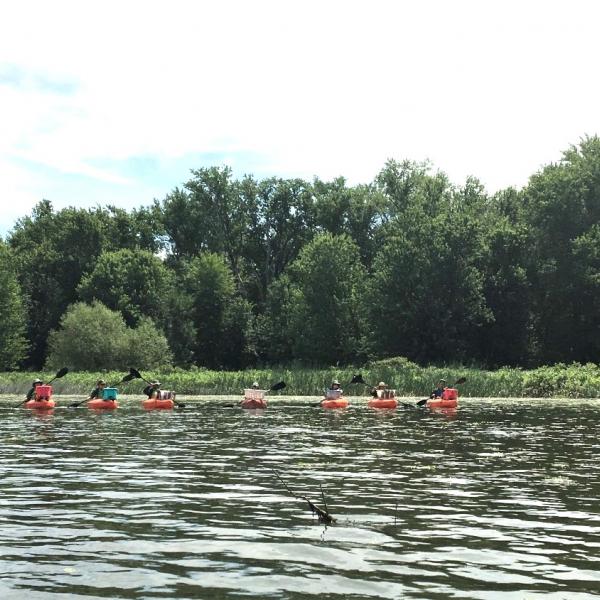
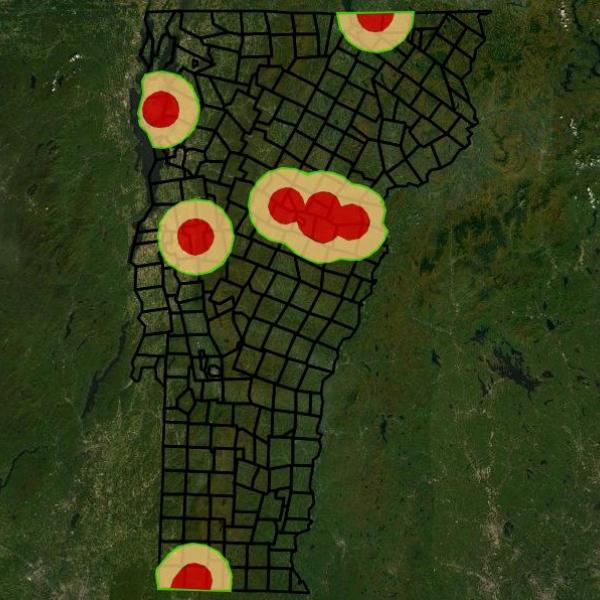
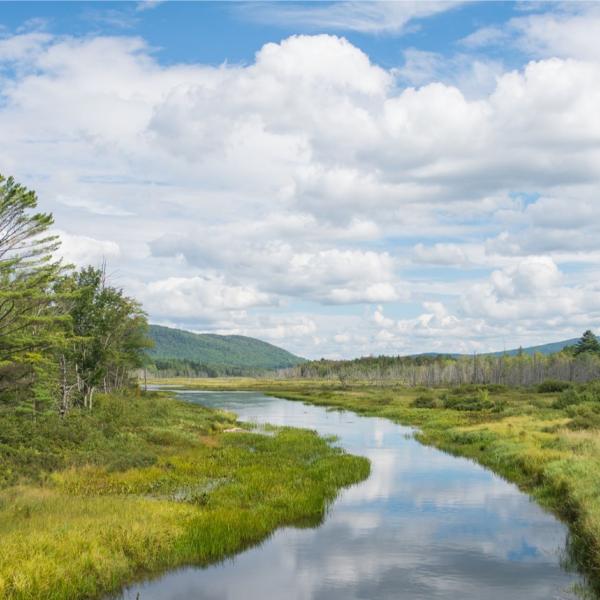
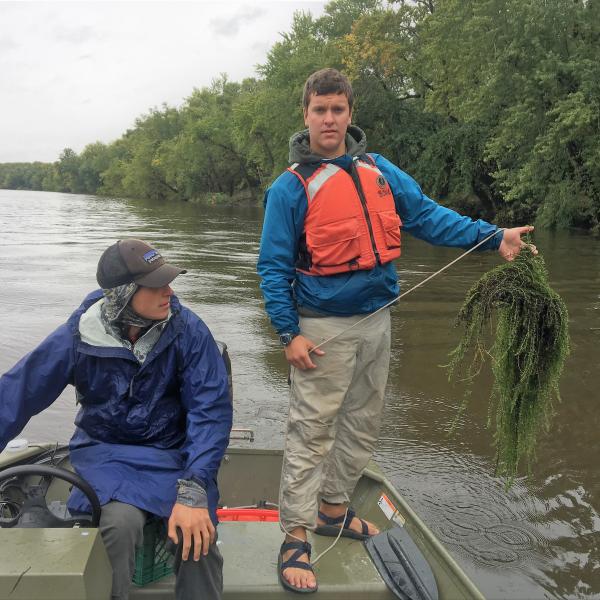
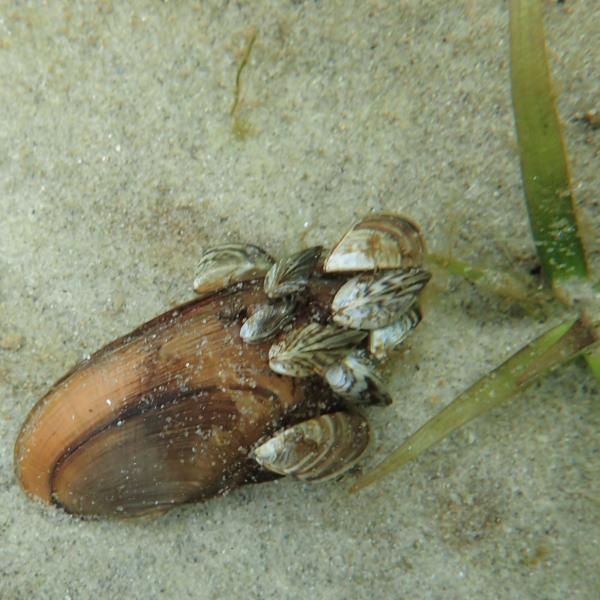
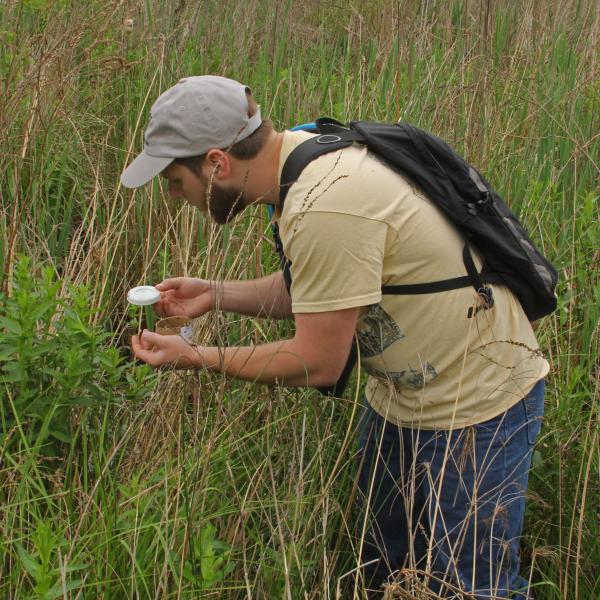
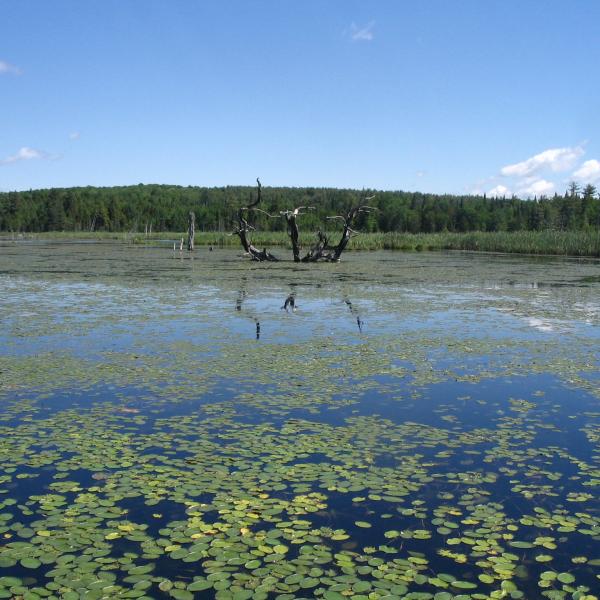
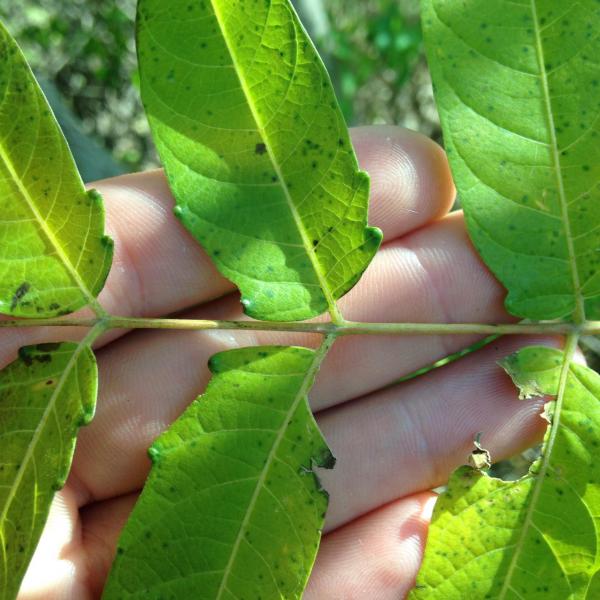
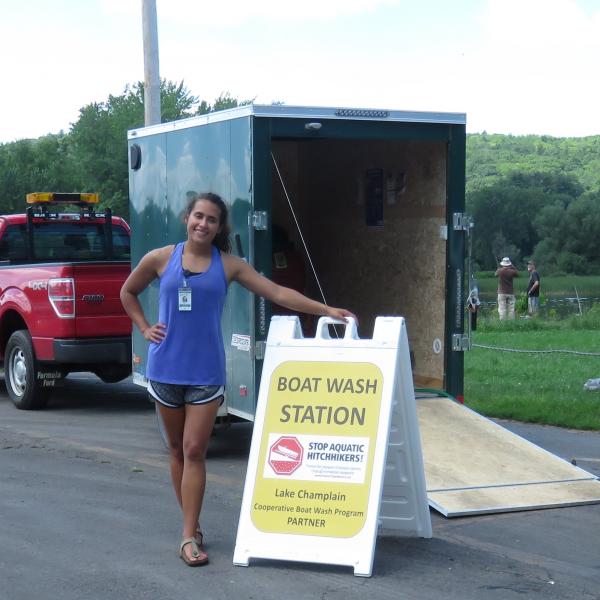
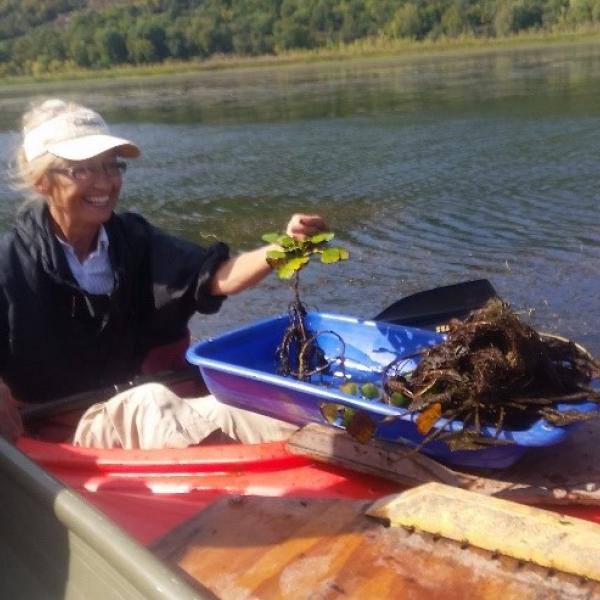
Water Chestnut is an annual aquatic plant that is invasive in Vermont. The water chestnut population has been managed by the Vermont Department of Environmental Conservation (VTDEC) since the early 1980s and, for the past few summers, crews from the Vermont Youth Conservation Corps (VYCC) have been supporting VTDEC’s hand-pulling efforts.
The 2018 Vermont Habitat Stamp Annual Report, released earlier this winter, highlights the conservation power of the multiplier effect – where one action can be a catalyst for other actions and the effects keep radiating out. This past year, over $110,000 were raised from donations and were then used to leverage an additional $143,000 in federal funds. This created a total reserve of over $253,000 to be used for habitat conservation by the Vermont Department of Fish and Wildlife.
Hydrilla, touted as the worst aquatic invasive species, was recently found in a waterbody that is hydrologically connected to Vermont in the Connecticut River. As part of an Early Detection and Rapid Response, VTDEC staff joined state biologists from Connecticut, Massachusetts, and New Hampshire to sample sections of the river in Connecticut to survey the extent of the infestation.
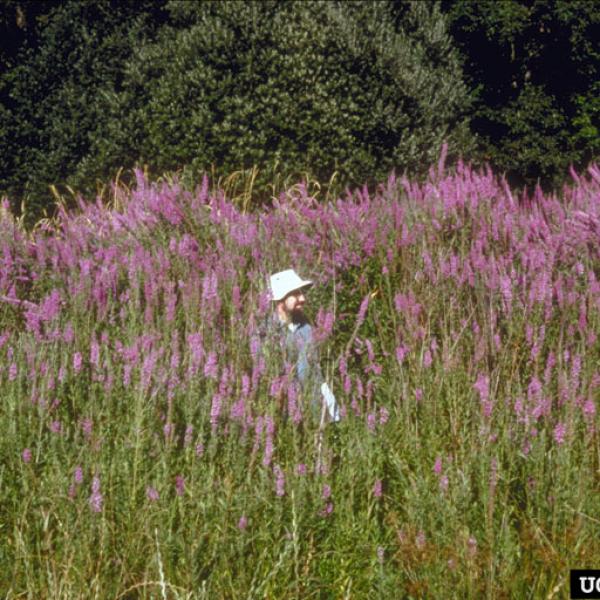
If you’ve ever spent a late August afternoon along a lake with a reedy shoreline, you may have noticed the brilliant, beautiful purple flowers of this month’s focal plant: purple loosestrife (Lythrum salicaria).
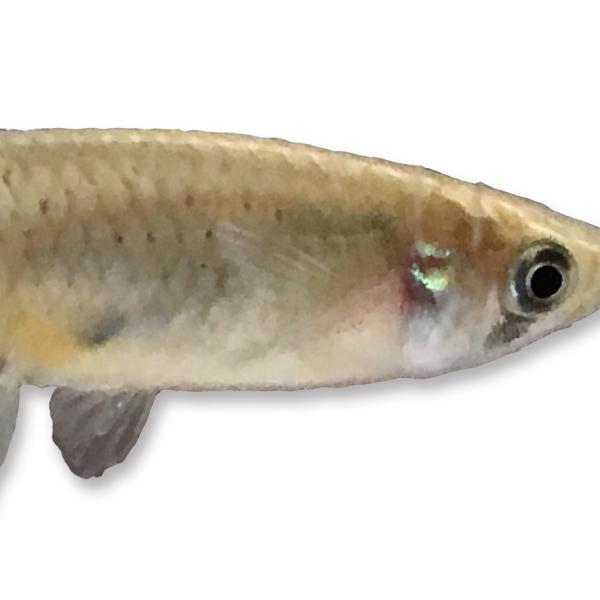
The Vermont Fish and Wildlife Department responded to an angler report of an unusual fish in his bait bucket, and eventually cited a Vermont baitfish wholesaler for illegally importing an unapproved fish species into the state.
Under new rules that went into effect Sunday, the sale and distribution of 38 destructive, invasive plant species will become illegal.
In its list, the state agriculture department included various types of honeysuckles, Bradford pear trees, autumn olive shrubs and fig buttercup flowers that line freeways, coat forest floors and choke wild spaces across Ohio.........................."
Author Credit: By Marion Renault, The Columbus Dispatch
Funding for aquatic nuisance species management projects for the upcoming year is now available through the Vermont Department of Environmental Conservation.
Water chestnut (Trapa natans) is an established invasive plant that, like many other non-native plants, escaped a cultivated life in the 1870’s to spread and grow into new territories beyond the small garden in which it once existed. Lacking any major herbivores to consume the fruit or plant, its growth consumes wide areas of water, creating impassable dense mats. The establishment of this species, if left unchecked, can severely limit boating, fishing, hunting, swimming, and other recreational activities on the water.