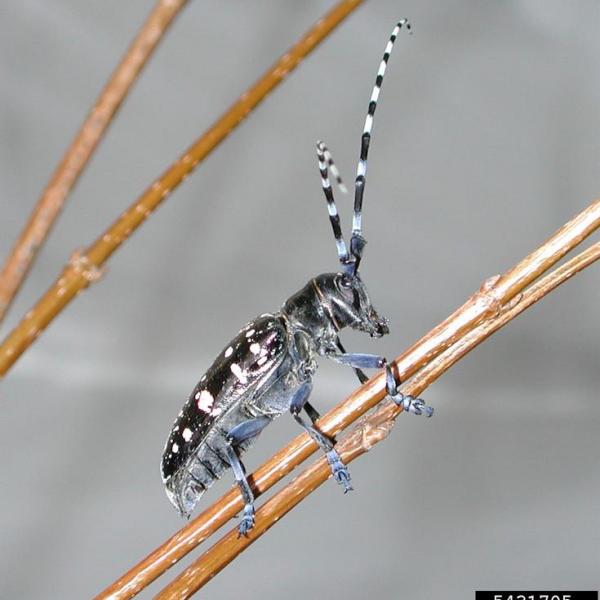
Smelling good is just part of what some beetles must do to find a mate. They have to exude the proper perfume at the right time of day and right season of the year, a UA-led team found.
A longhorned beetle’s sexy scent might make a female perk up her antennae. But when the males of several species all smell the same, a female cannot choose by cologne alone.
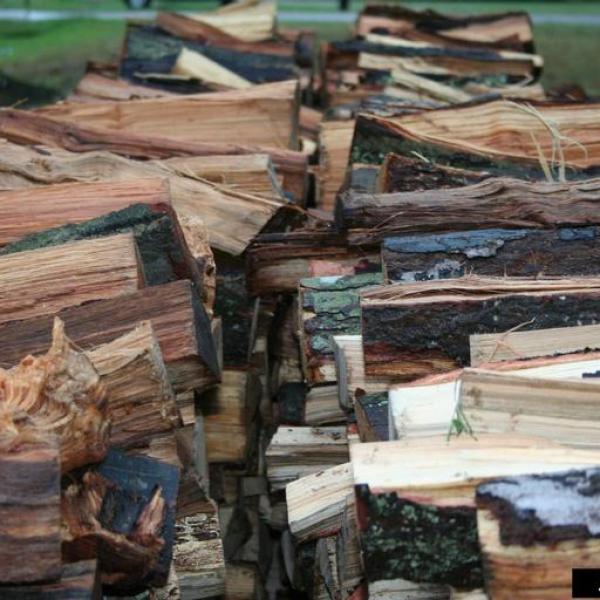
As the Memorial Day holiday weekend kicks off the summer camping season, New Hampshire authorities are reminding people it's illegal to bring untreated firewood into the state without a written agreement from them.
It's also illegal to transport hardwood firewood outside of Rockingham, Merrimack and Hillsborough counties to prevent the spread of emerald ash borer, a...
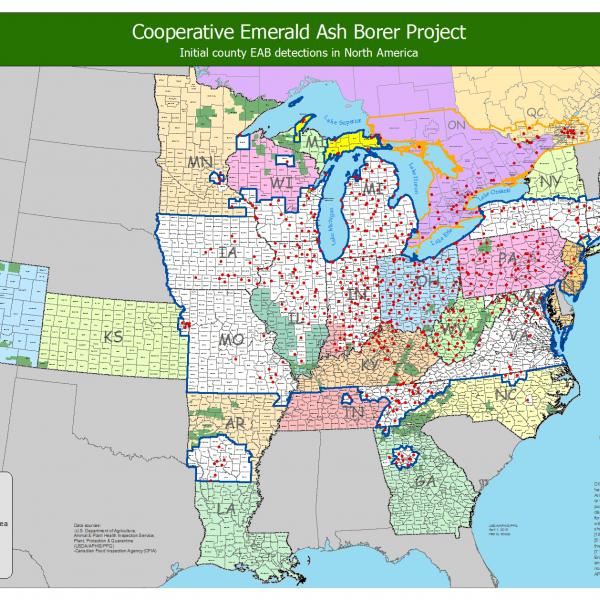
The state's new system to confront the invasive emerald ash borer, which relies on quarantine zones drawn around forests known to be infested, is unique among the 25 states in the eastern U.S. where the ash-devouring pest is found.
As a consequence of no longer lining up with federal control rules, the U.S....
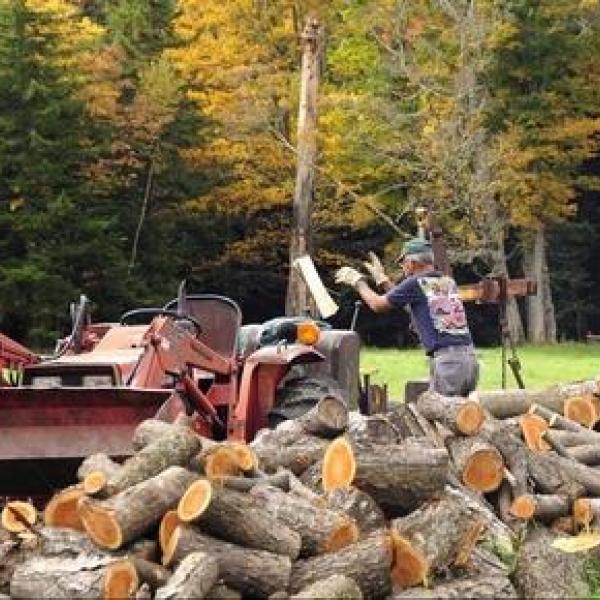
The locavore movement in Vermont is strong, whether vegetables, meat, craft beer or goods and services. I am here to promote the same approach in the purchase and burning of firewood. Why is this important?
Transported firewood is a major vehicle of invasive pests such as the emerald ash borer and Asian longhorned beetle. These pests are a grave threat to our forests. Over half of...
Asian carp. Burmese python. Hemlock woolly adelgid. These are just some of the most destructive pests and the world's worst invasive species that raise the hackles of fisherman, farmers, and wildlife managers everywhere they invade.
But how do they establish themselves and take over non-native species so effectively and efficiently?
As Memorial Day approaches and the summer camping season gets started, take a moment to think about the places that you love and how you can help to protect them. Chances are that trees make up a key component of these places. A spreading sugar maple, a towering ash; trees are vital to many of the places iconic to Vermont and New England.
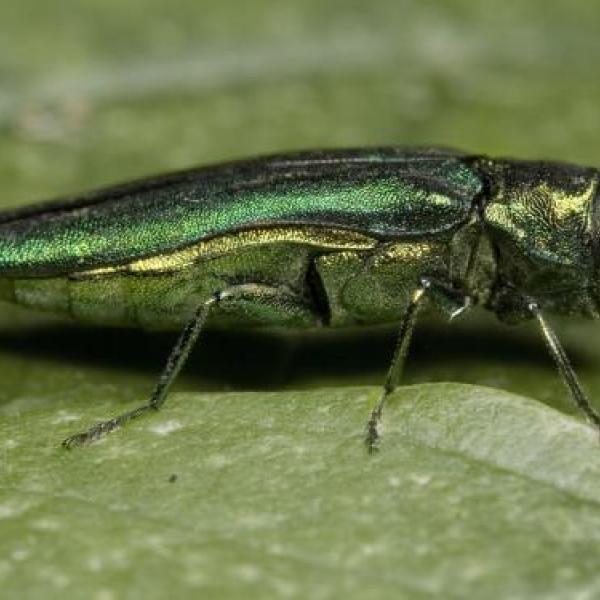
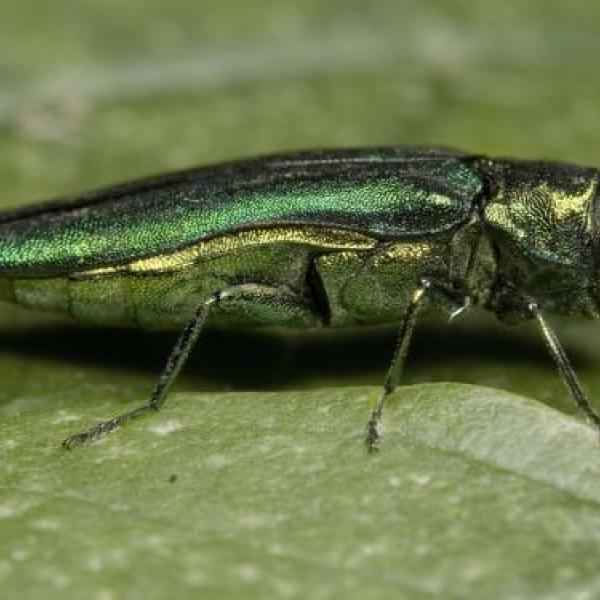
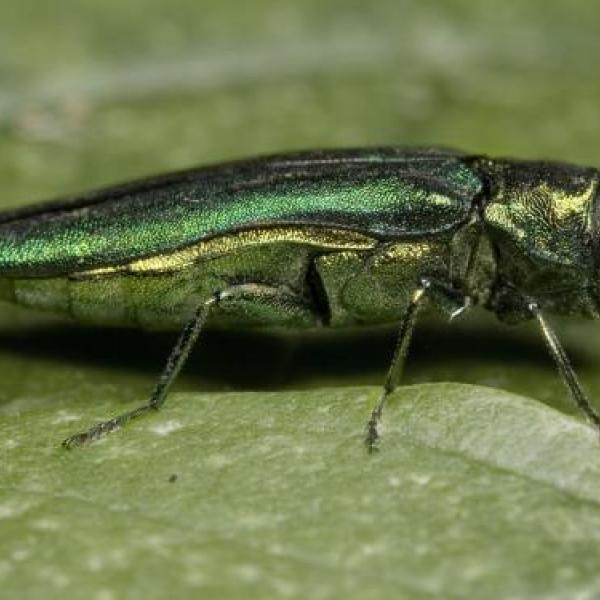
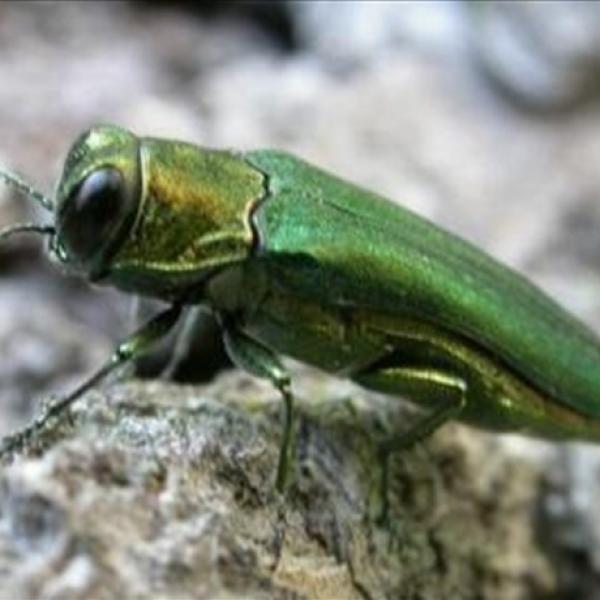
The emerald ash borer (Agrilus planipennis) is a pest species that has killed tens of millions of ash trees and has the potential to kill most of the 8.7 billion ash trees in North America. The beetle, native to Asia, was accidentally introduced to the U.S. in 2002 in Michigan. Since then, it has spread into the eastern U.S. and southeastern Canada.
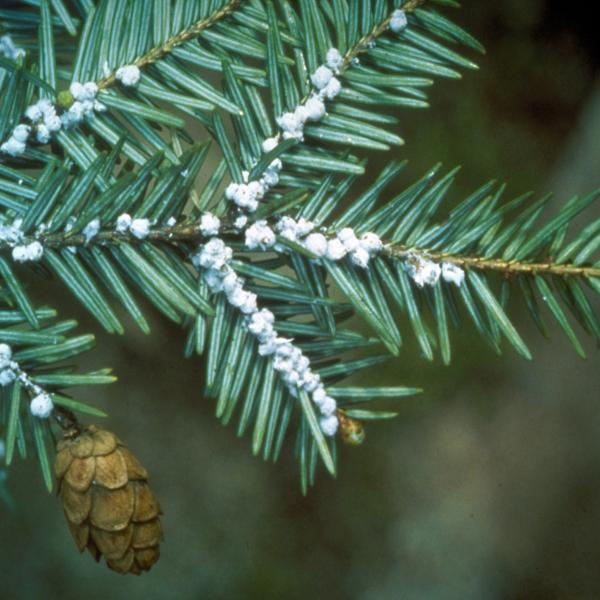
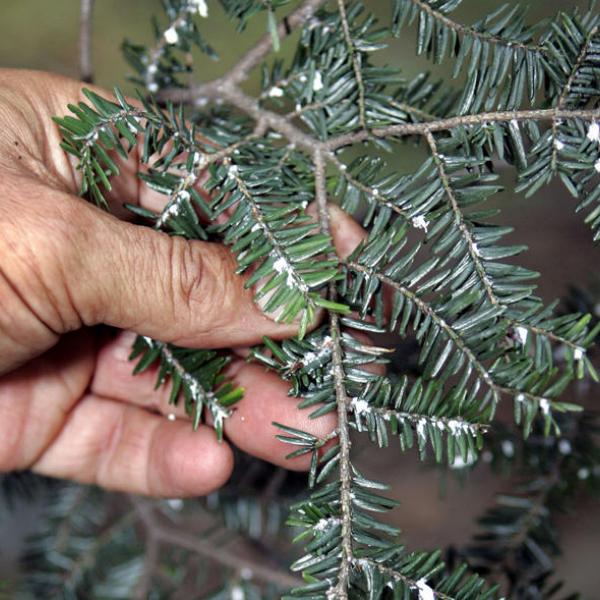
The long cold winter of 2014-2015 will go in the record books for a number of reasons. It certainly impacted Vermont’s hemlock woolly adelgid survey program. Hemlock woolly adelgid (hwa) is an invasive insect from Asia that feeds on hemlock trees. It has been known to be in southern Vermont since 2007; primarily in Windham County, with small isolated infestations in Windsor...
In the early 1920s, the city planted thousands of red pines in Leeds in an effort to protect the nearby watershed.
Almost a century later, the trees populating the city's water supply land off Kennedy and Chesterfield roads are dying off rapidly, in part due to an invasive insect called the red pine scale. The pest first spread in southern New England, New York, New Jersey and eastern...
We are finally coming out of the deep freeze that we were in for pretty much all of February. Forty-three days below freezing in some parts of the state, 5-degree averages in Montpelier and Rutland. There will be some casualties of the cold weather – but that's not necessarily a bad thing.
In fact, this winter’s harsh weather is good news – at least temporarily – for those combating a...
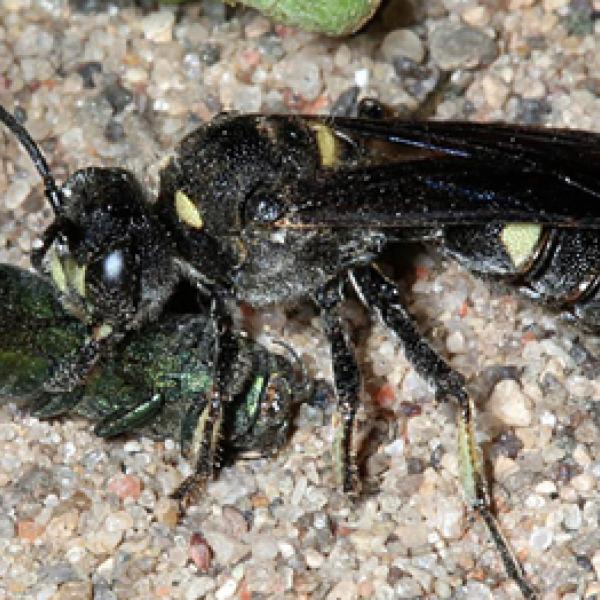
The U.S. Department of Agriculture is seeking approval for the intentional release of an Asian species of parasitic wasp in order to combat the spread of an invasive beetle wreaking havoc on North American ash trees.
Baton Rouge, La. - The emerald ash borer, a severe insect pest of ash trees, has been confirmed in Webster Parish making Louisiana the 25th state to confirm the presence of this beetle.
Athens, Ga. - For the first time, University of Georgia researchers have successfully cryogenically frozen germplasm from hemlock trees being wiped out across the eastern U.S. by an invasive insect. They've also unlocked a new way to clone the few hemlock trees apparently fighting off the hemlock woolly adelgid, which could potentially lead to a solution for the pest.
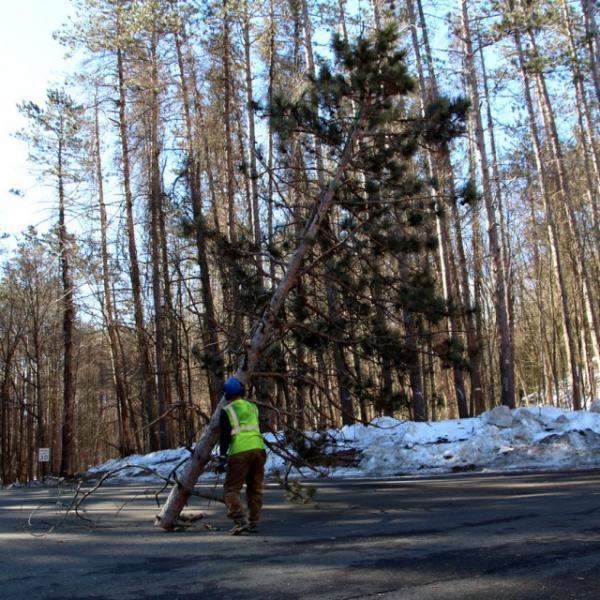
A beetle that has killed thousands of acres of pines across the nation has infested much more of Long Island than previously thought, and state officials want to cut down trees in an effort to stop the spread of the pest before winter ends.
The southern pine beetle, first confirmed on Long Island in the fall, now has been found in an array of federal, state, county, town and...