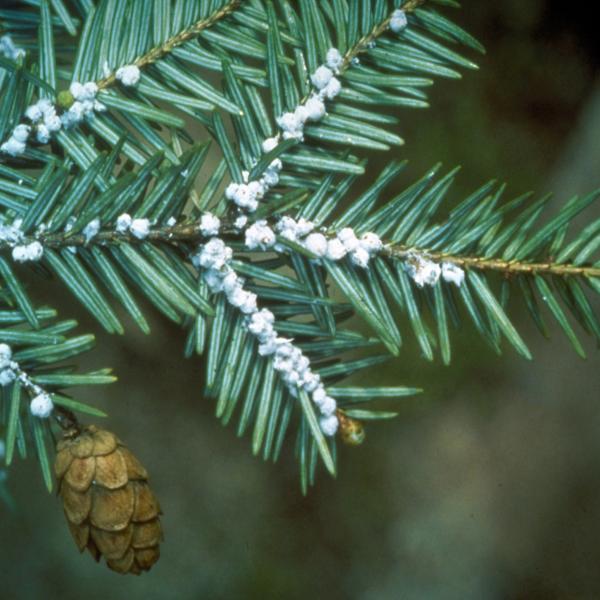
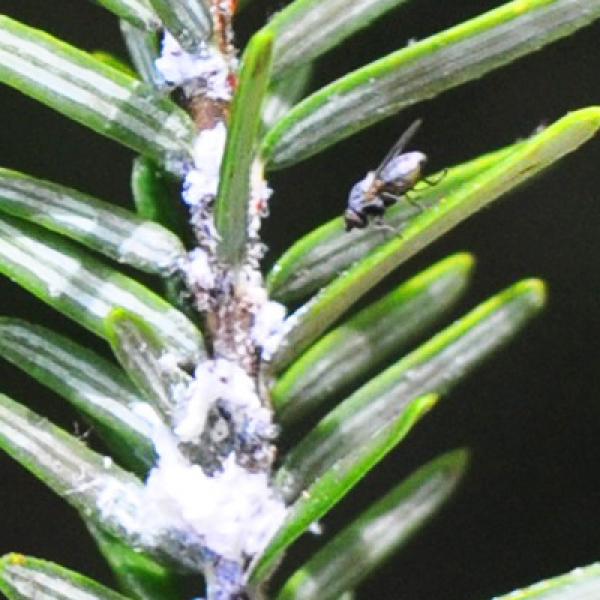
The winter of 2014-2015 was tough on hemlock woolly adelgid; 97 to 99 percent of the sistens, or winter, generation died. The previous winter had similar winter mortality rates. This helped to give hemlock trees a bit of a reprieve. But, while these recent mortality rates have been high enough to temporarily stop the spread of HWA, the trees are still...
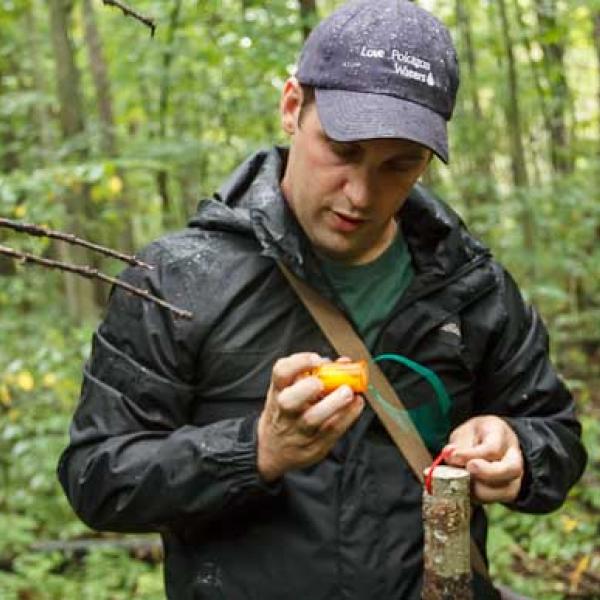
Vic Bogosian has an 18,000-strong army--or, rather, air-force--of wasps, and he's looking for more draftees. They're fighting an enemy of the Pokagon Band of Potawatomi, the emerald ash borer, an invasive species from China that has been wiping out an important part of Michigan's Native American culture, the ash tree.
Mattapoisett — In 2013, at least 1,000 European flies were released into Nasketucket Bay State Reservation with the hopes that they would spread throughout the area. Awesome, right?
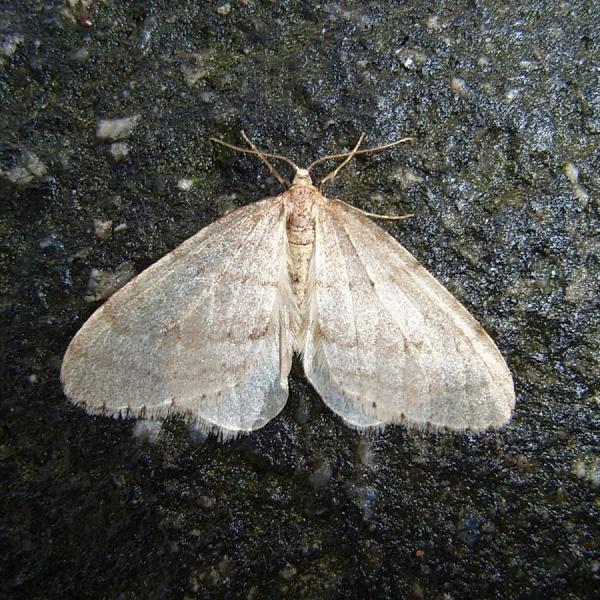
It may not sound like good news, but these flies have a very specific job to do: take down the winter moth population.
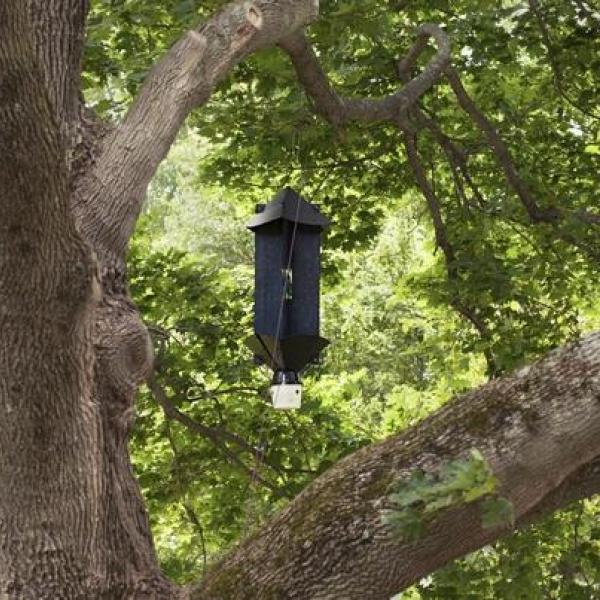
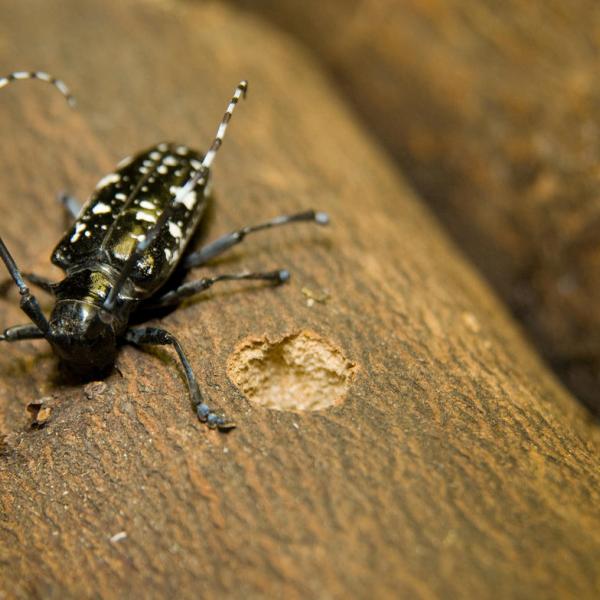
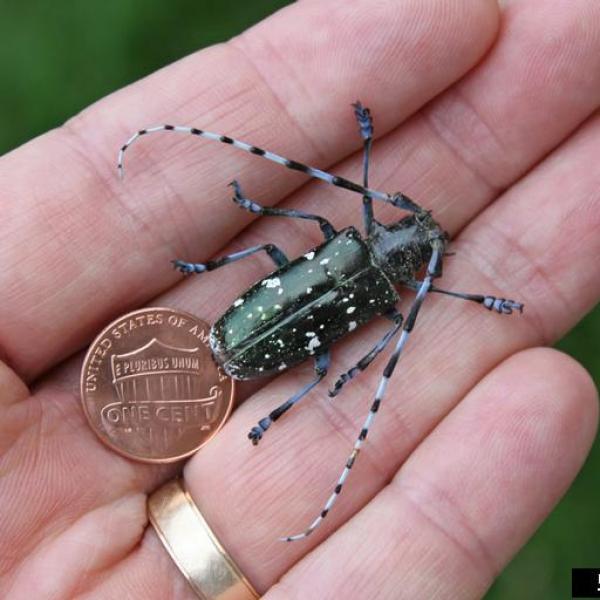
WORCESTER - Good news on the Asian longhorned beetle front: Surveys of traps hung across Worcester County this summer have turned up only one of the pests in the city, where an infestation of the tree-killing insects was centered, and none in the region beyond.
This suggests that efforts to stop the spread of the beetle are paying off, according to...
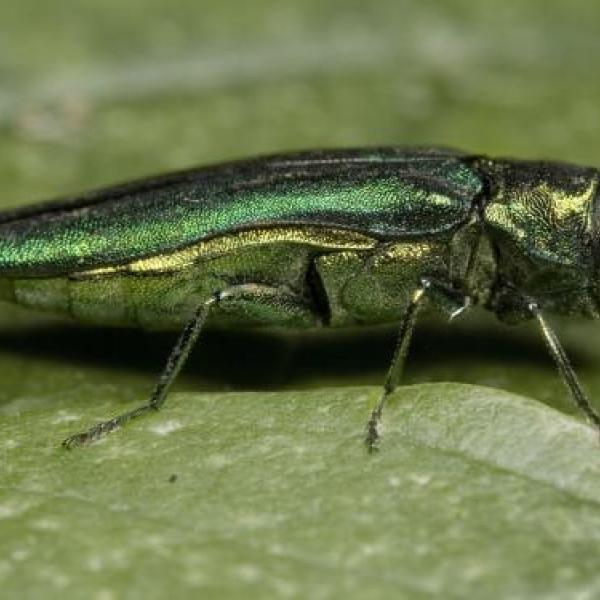
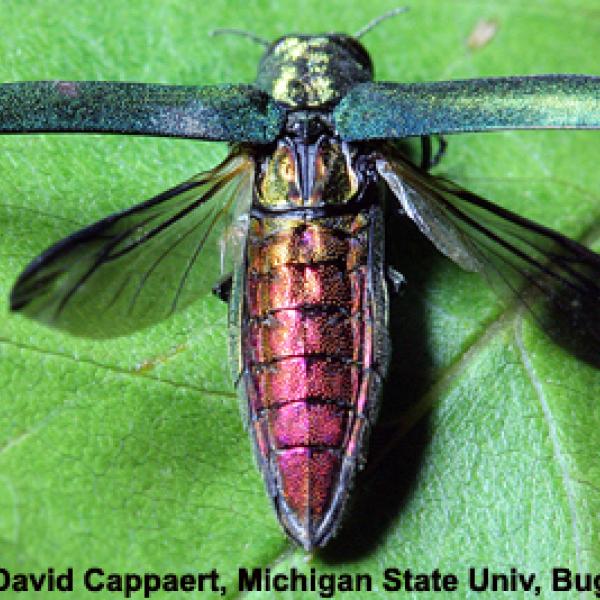
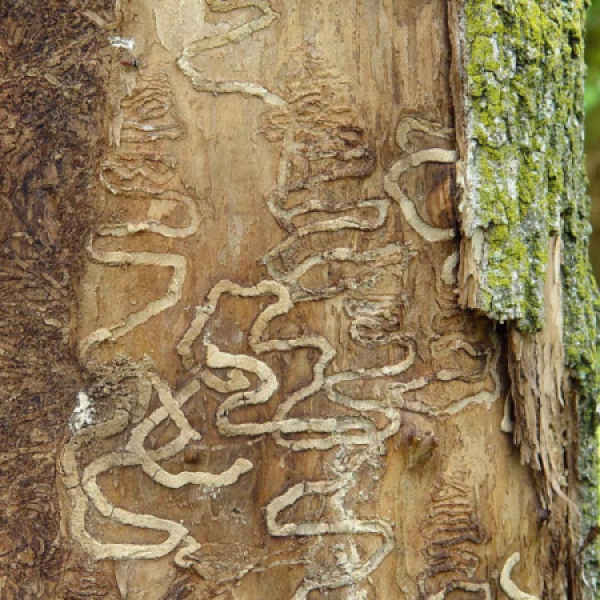
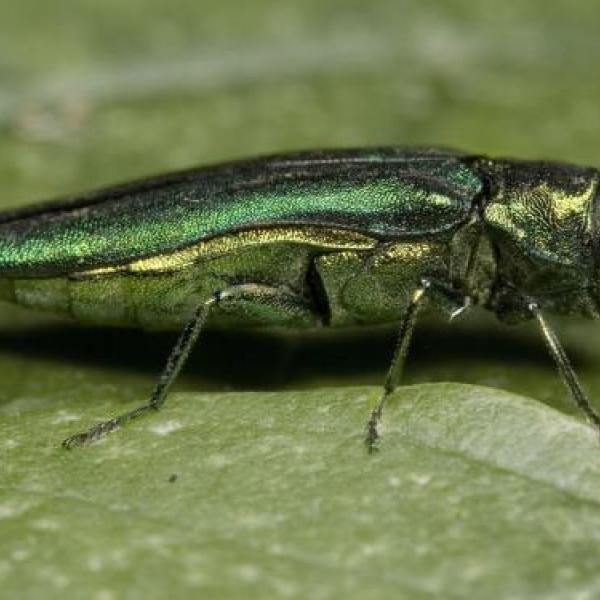
In 2001, ash trees began dying in Detroit, and no one could say why. Then glittering green beetles were discovered crawling out of an ash log.
American scientists had never seen the beetles, and they reached out to experts around the world for help. A Slovakian entomologist named Eduard Jendek solved the mystery: Detroit’s ash trees were being killed by Agrilus planipennis, the emerald...
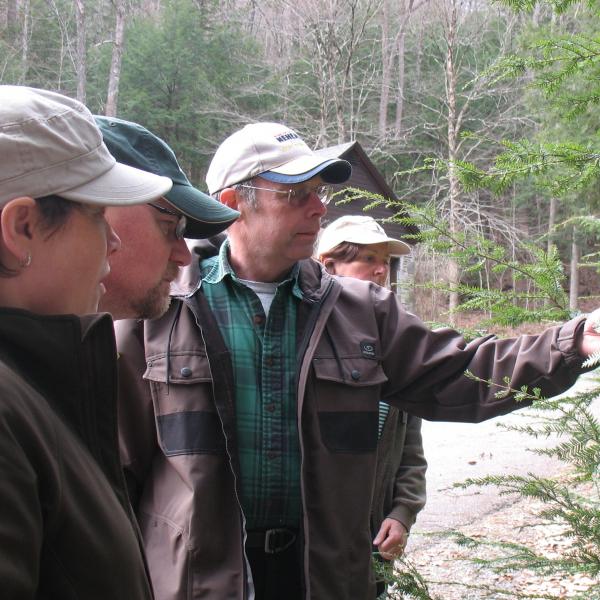
August is “Tree Check” month. It’s the time when ecologists are out surveying the forests to see if invasive insect species are showing up in the state. Here in Vermont scientists are primarily on the lookout for Asian longhorned beetle, Emerald ash borer, and hemlock woolly adelgid.
So far the longhorned beetle and the emerald ash borer haven’t infiltrated...
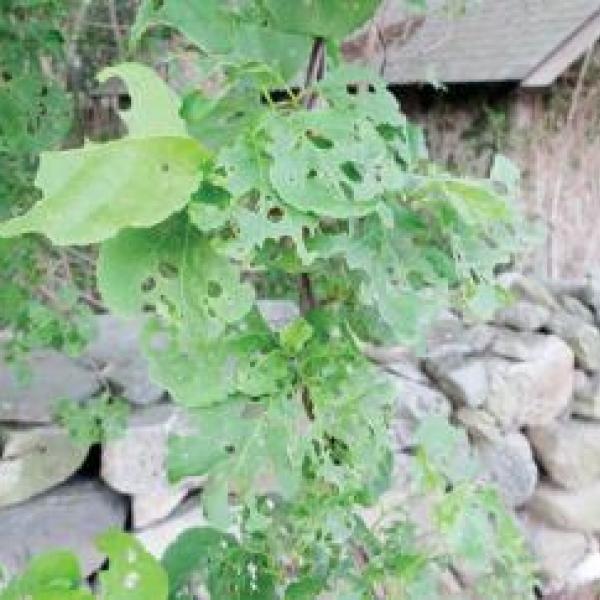
Washington, Aug. 3, 2015 — The U.S. Department of Agriculture's (USDA) Animal and Plant Health Inspection Service (APHIS) announces August is Tree Check Month and urges people to check trees for signs of the invasive Asian longhorned beetle (ALB). August is a time of peak emergence for the beetle and is most likely when the adult beetle can be seen infesting trees.
The emerald ash borer (Agrilus planipennis) is an invasive pest that is decimating ash trees across the United States and Canada. By 2019, it’s estimated that the beetle will have caused economic damage to the tune of $10 billion.
LINDEN, New Jersey – Jeffrey A. Tandul’s friends like to joke that he’s a “dead tree savant,” able to spot dying trees from blocks away, but on a gray June day he’s more focused on the living.
Mr. Tandul, chairman of the Shade Tree Commission in this...
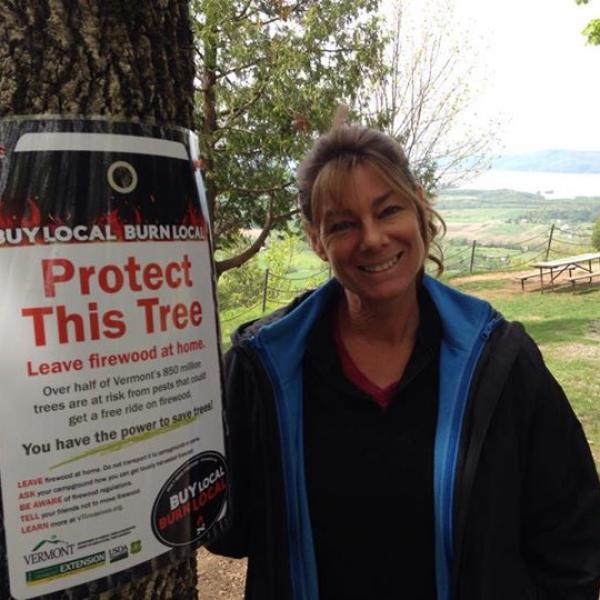
If you plan on stacking up some firewood for camping and the backyard fire pit, or simply stocking up before the winter, don’t plan on buying any non-local logs.
You can blame the Asian Longhorned Beetle and the Emerald Ash Borer for a ban on out-of-state firewood and a prohibition on the transport of wood from the neighboring states of Massachusetts and Connecticut across borders...
A tiny fly from the Pacific Northwest may provide new hope for towering hemlock forests dying along the East Coast.
Deep-green hemlock forests stretch from Georgia to southern Canada. Or at least they used to. Over the last few decades, the hemlock woolly adelgid, an invasive insect, has killed millions of these trees as it spreads north and south...