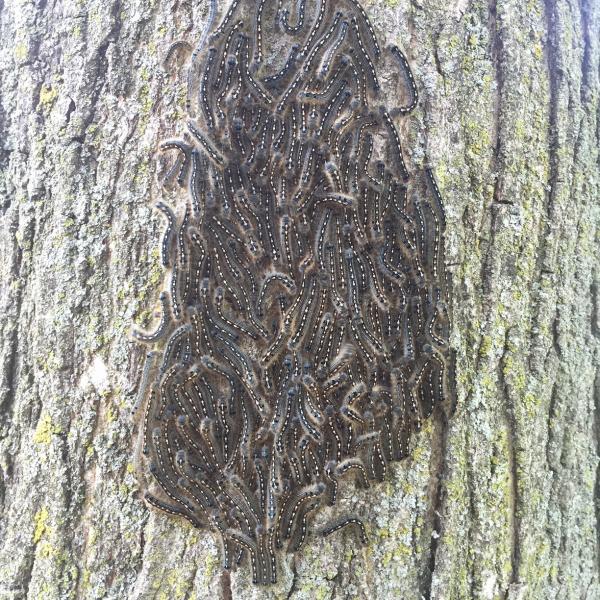
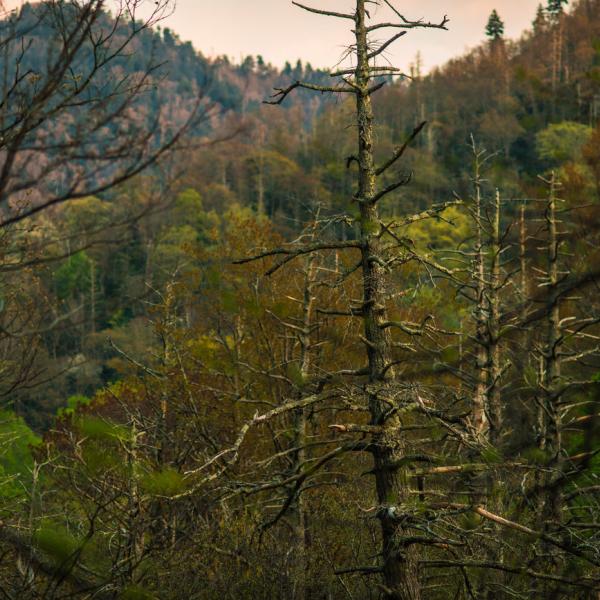
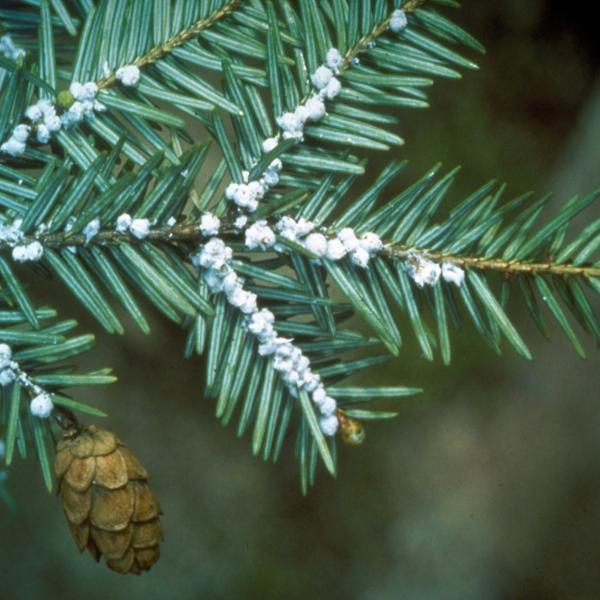
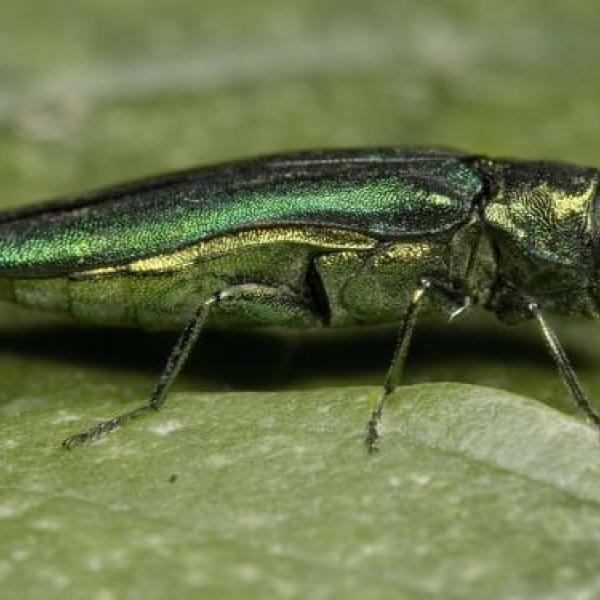
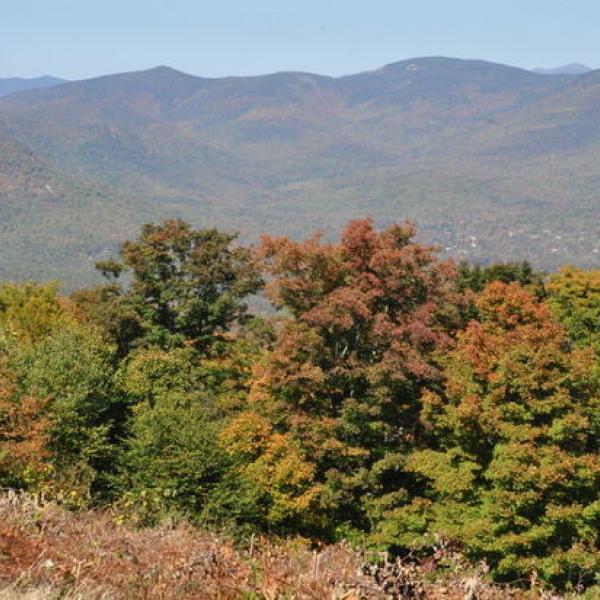
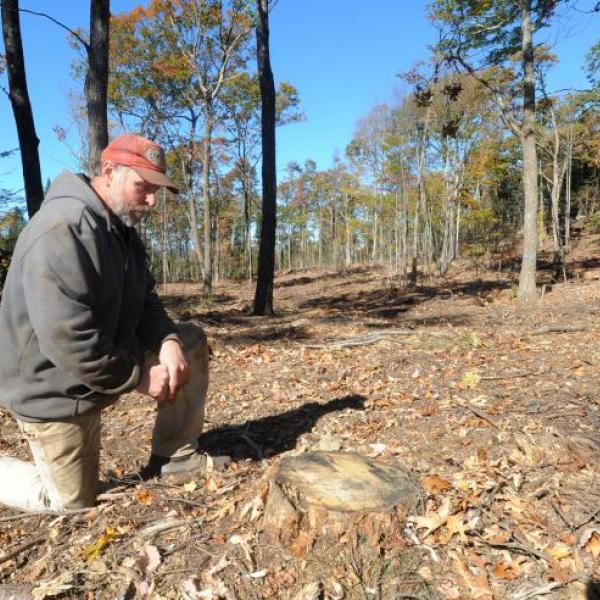
The forest at Great Smoky Mountains National Park is sick, infected by invasive bugs and plants. Matt Moore, Kaleb Lique Naitove and Emily Baird of the National Park Service are some of the field medics trying to keep it alive.
Springfield, Vt. — An invasive pest with a nasty habit of killing trees has established a toehold in the Upper Valley, and could bring devastation to the area’s forests in coming years, wildlife officials say.
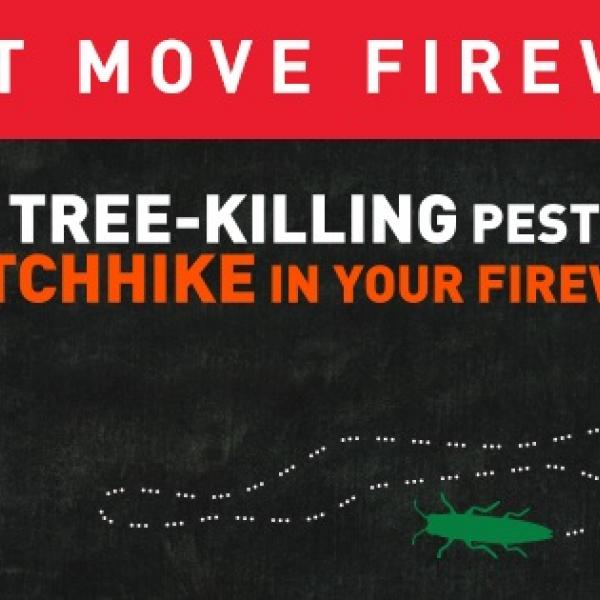
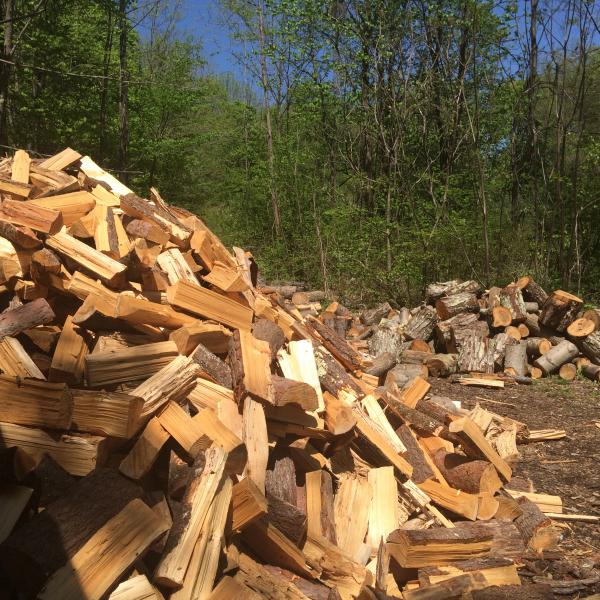
A new Vermont rule effective May 1st prevents invasive insects from piggybacking into the state on untreated firewood. As summer camping season arrives, visitors to Vermont should be prepared to buy firewood in-state or be able to verify that imported firewood is heat-treated to USDA-approved standards.
Forest scientists have found an unexpected 'silver lining' to the insect outbreaks that have ravaged millions of trees across western North America.
While insect outbreaks leave trees looking like matchsticks, a new University of Vermont-led study finds these hungry critters significantly reduce wildfire severity.
The findings contrast sharply with popular attitudes --...
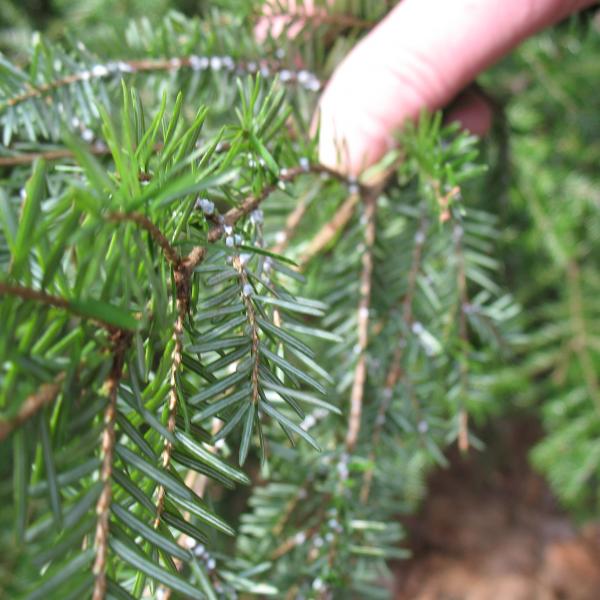
As the 2015-2016 hemlock woolly adelgid survey season got under way there was some concern for the condition of hemlock trees in southern Vermont. The preceding growing season included a period of sinificant drought. Trees on ledgy sites were showing signs of stress. Elongate hemlock scale had been found in the area, sometimes coexisting with HWA. As the winter wore on, temperatures were mild...
This winter has been the warmest on record in much of New England. And while many people enjoyed the T-shirt weather, it made Claire E. Rutledge, a researcher with Connecticut’s Agricultural Experiment Station, more concerned about what next season may hold.
Beginning in April, she will head to Wharton Brook and other state lands, setting traps for the southern pine beetle and checking...
Two years ago, in May 2014, the N.H. Division of Forests and Lands released parasitic wasps at three sites in Concord and Canterbury in an attempt to control emerald ash borer (EAB) populations with natural predators (read more about the project here). Bill Davidson and Kyle...
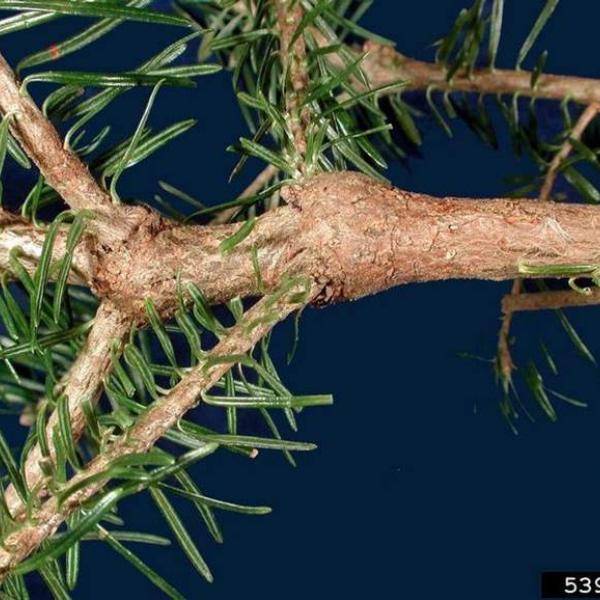
The balsam woolly adelgid is an invasive insect that attacks true firs (Abies, spp) in eastern and western forests. In Vermont, the native balsam fir and a commonly used Christmas tree, Fraser fir, are susceptible. This insect originated in Europe; probably first arriving in the northeast around 1900. It has been reported in Vermont for many years. In 2015, scattered...
CANTON — Residents, foresters and landscapers are being asked to be on the lookout for two new species that may invade the north country’s landscape, including a large worm that thrashes around like a snake.
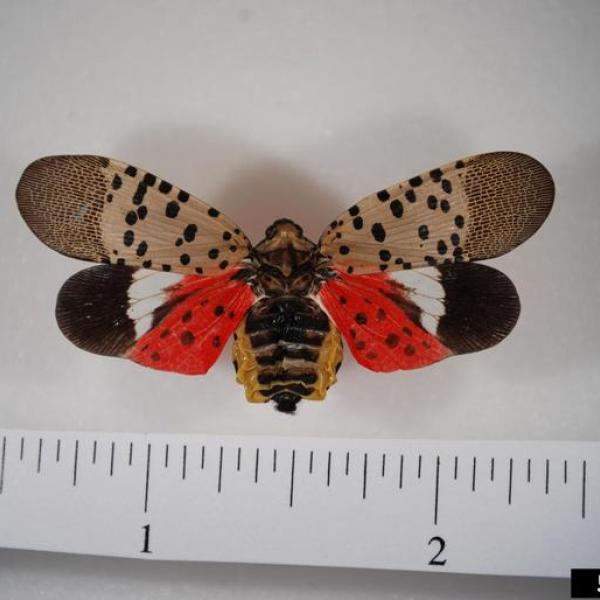
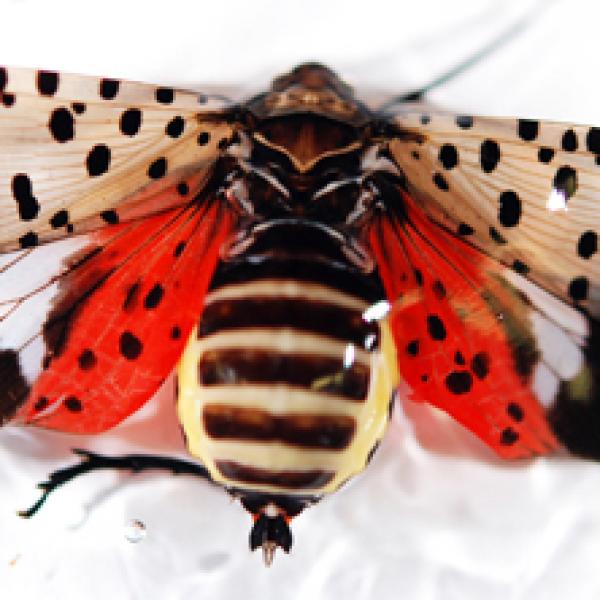
The Asian spotted lanternfly and the giant Asian jumping worm are emerging invasive species that are being monitored by officials from Cornell Cooperative Extension of...
There are five challenges that are inhibiting our forests' ability to regenerate successfully and remain a productive land use and a healthy ecosystem: Invasive species, deer, fragmentation, habitat diversity and private owner stewardship.
MONTPELIER >> A new rule is being considered that would ban the transport of untreated firewood into the state of Vermont, in order to prevent the spread of invasive pests such as the Asian longhorned beetle and the emerald ash borer.
The Scout Motto is the best advice for pest managers who want to establish a first line of defense against problematic invasive insects even before they become established, according to Dr. Surendra Dara, an IPM and crop advisor at the University of California.
SHELBURNE CENTER, Massachusetts — It was only a year ago that Norman and Lisa Davenport first noticed sunlight flickering through the once-dense shade of a stand of hemlocks on their hilltop farmland.
And now those first trees look more like utility poles than conifers.
As the twin evils of elongate hemlock scale and hemlock woolly adelgid spread...