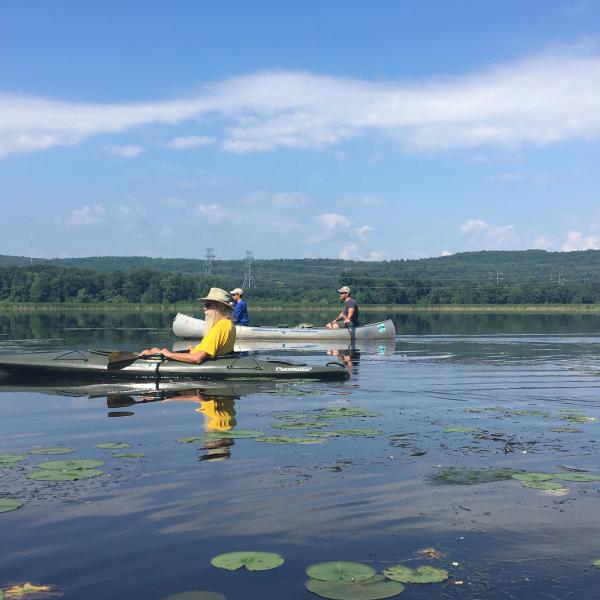
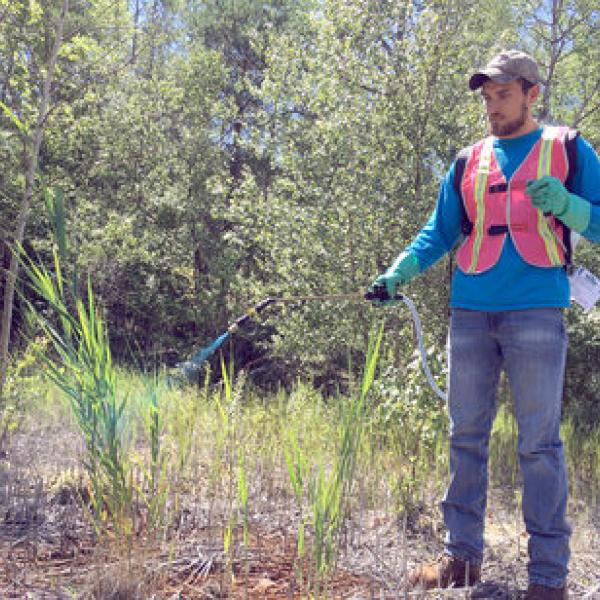
Have you seen any of your favorite waterbodies in Vermont become infested with invasive species? Perhaps you have seen water chestnut form dense mats over your favorite place to fish, boat, or swim? This is the reality of invasive species – once introduced to a system they are very difficult to eradicate and control. HOWEVER, do not feel helpless! There are many steps that can be taken by individuals, towns, and organizations to stop new aquatic infestations as well as manage current infestations.
Despite the discouraging discovery of an invasive species near Lake George, the Adirondacks have also seen some recent bright spots in the fight against invasive species.
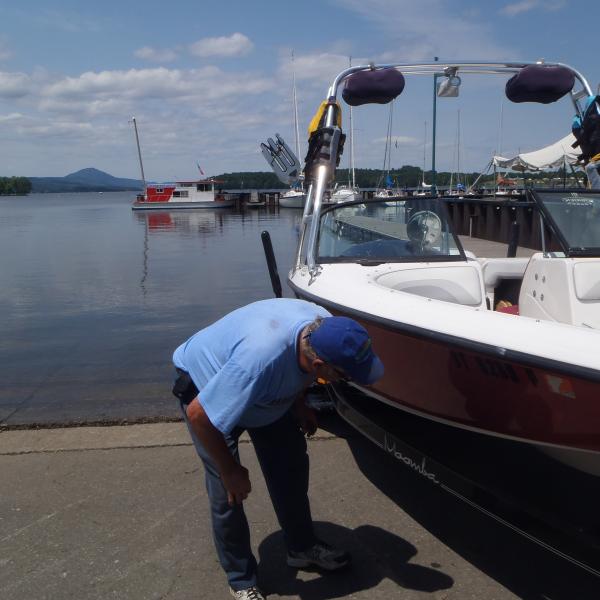
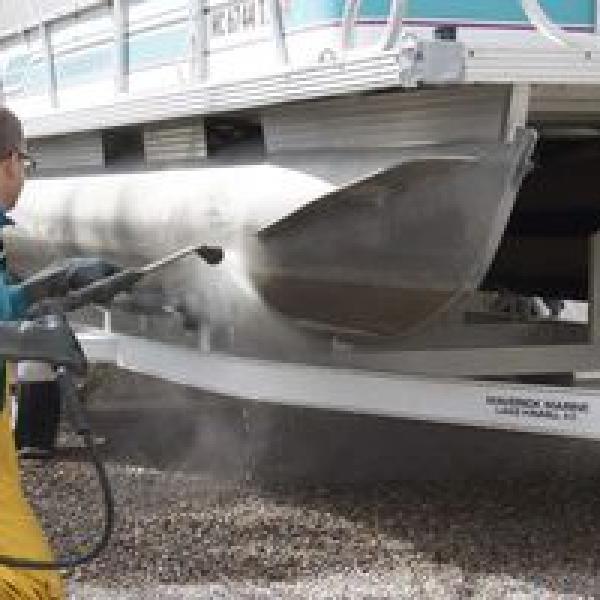
A bill recently signed into law by Governor Scott requires watercraft operators to inspect vessels for aquatic invasive species, and also requires livewells, bilge tanks, and other water-holding compartments to be drained prior to out-of-water transport. The new legislation is aimed at further reducing the spread potential of exotic pests that are deleterious to Vermont's aquatic resources.
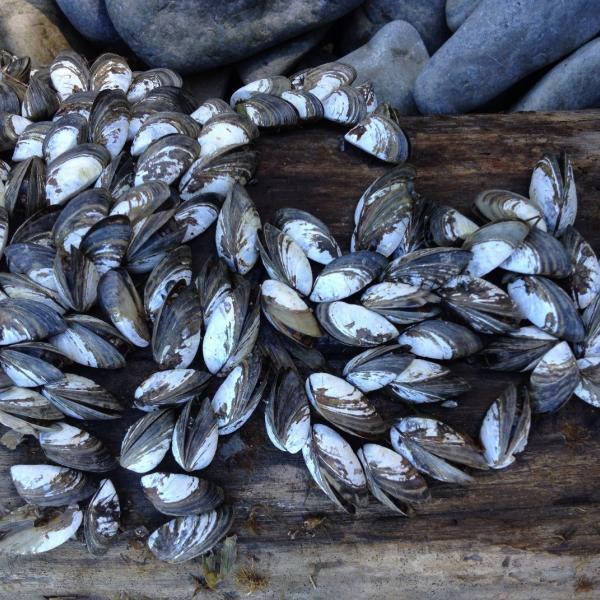
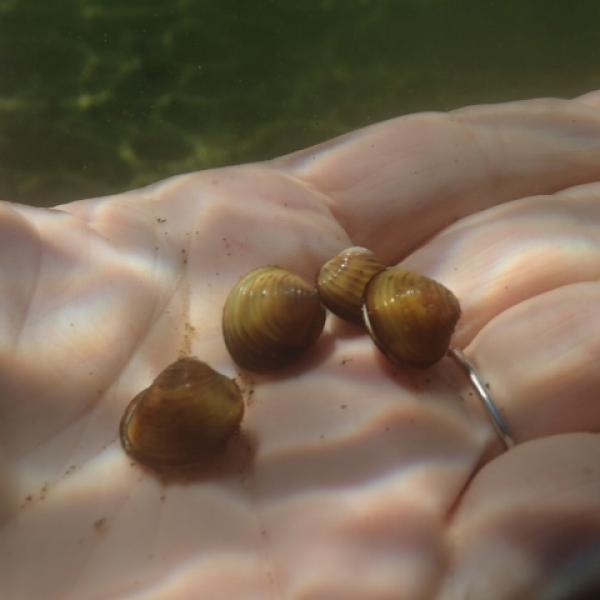
Although other aquatic invasives have been the topic of conversation in recent years, zebra mussels still remain as one of, if not the biggest, threat to many of Vermont's waters.
Some are disarmingly named, like the cutesy Chinese mitten crab. Others have names more indicative of their undesirable nature, like rock snot, an algae that slimes up cool forest streams.
They are some of more than 100 invasive species that conservationists must battle in New York State, which teems with a growing number of plants, birds, fish, insects, mosses, molds and fungi that actually belong somewhere else.
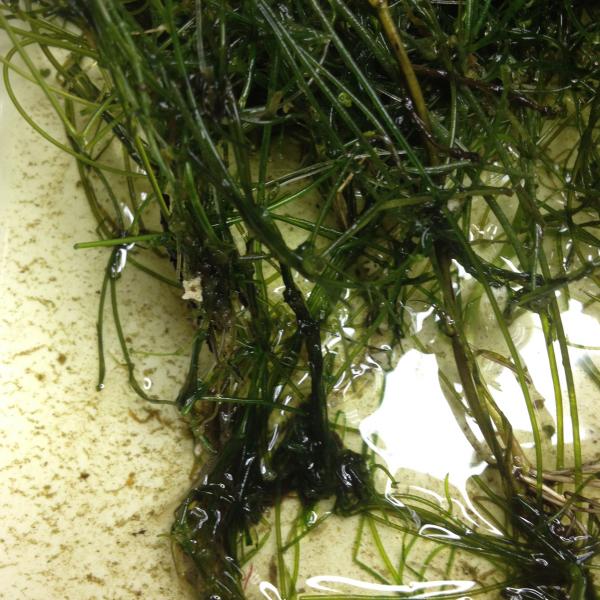
An aquatic weed is creeping across the Great Lakes region that grows really fast and is very hard to kill. Scientists don’t know a lot yet about starry stonewort, but they’re hurrying to find out more. The plant, which forms dense surface mats in lakes, first turned up in North America in 1978 in the St. Lawrence River in New York state. Researchers think it probably arrived in ballast water from ships entering the Great Lakes.
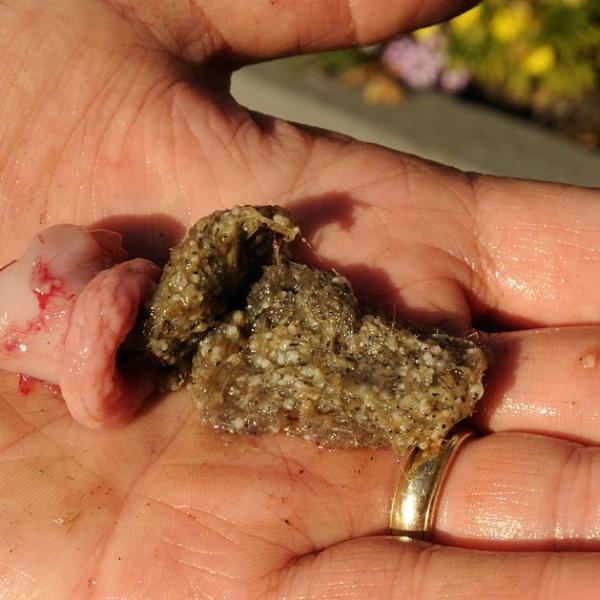
For the first time, Dreissenid mussels have been documented in a Montana waterbody. Montana had been one of only a handful of states that did not have a confirmed population.
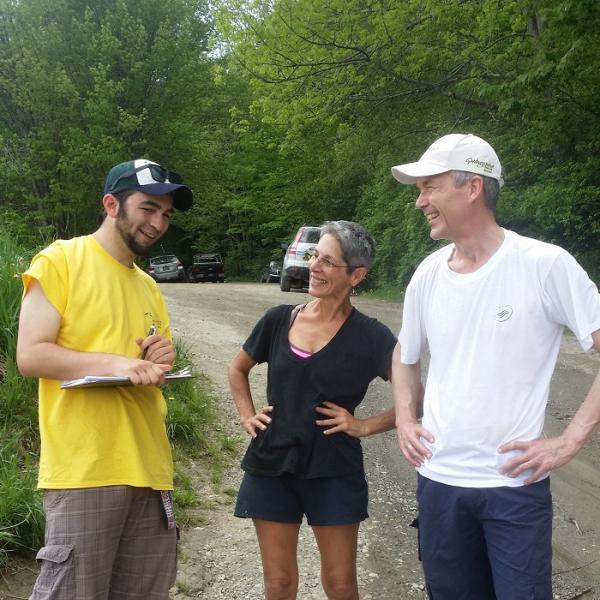
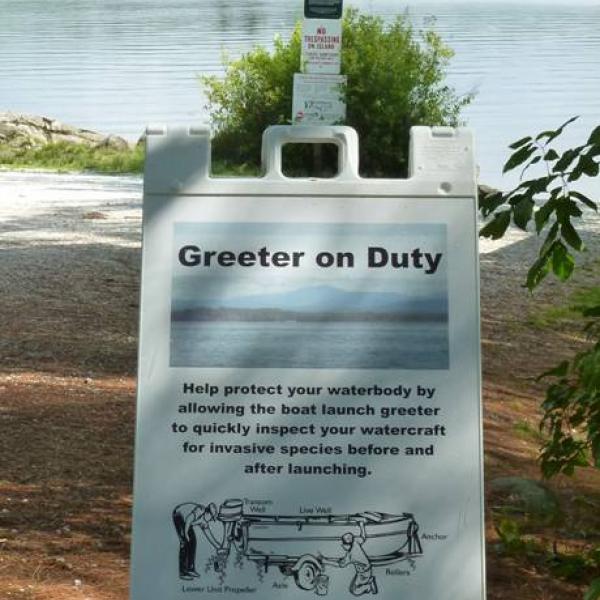
Visitors to Waterbury Reservoir may have encountered something new at the lake this year: a nice young man with a yellow “Public Access Greeter” shirt on. This summer was the inaugural year for a Public Access Greeter Program at Waterbury Reservoir (FWR), which was established by Friends of Waterbury Reservoir with assistance from the Vermont Department of Environmental Conservation’s aquatic nuisance species grant-in-aid program. A part-time greeter, along with a motivated group of volunteers from FWR, offered invasive species education and boat inspections at multiple launch sites around this aquatic gem in central Vermont.
Vermont’s Public Access Greeter Program had a record-breaking year in 2015 while working to prevent the spread of aquatic invasive species (AIS). Public access greeters educate lake visitors about invasive species and provide courtesy watercraft inspections for AIS.
As part of my job managing aquatic invasive species for the Department of Environmental Conservation, earlier this summer I traveled to Vermont’s Northeast Kingdom for a site visit to Shadow Lake in the town of Glover.
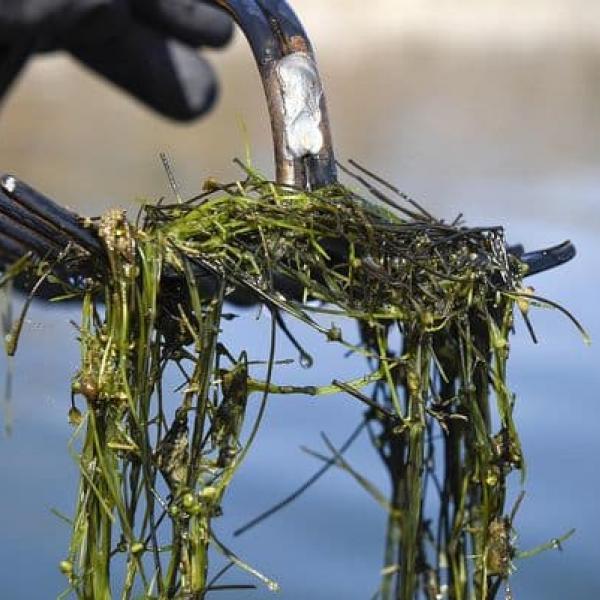
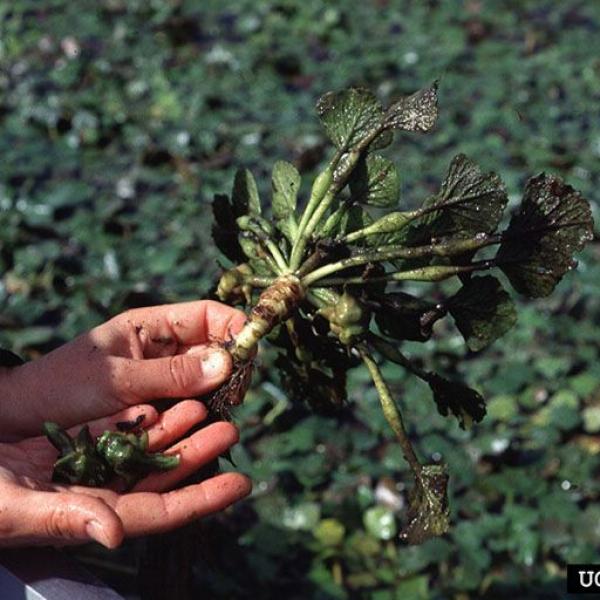
"MAYNARD Water chestnut, an invasive water plant, has a nature akin to lily pads on steroids, growing rapidly in nutrient-rich fresh water ponds, lakes and slow-flowing rivers. Unchecked, it will almost completely cover water surfaces, making boating, swimming and fishing impossible. The dense floating mat of overlapping leaves also blocks sunlight penetration, causing oxygen deprivation...
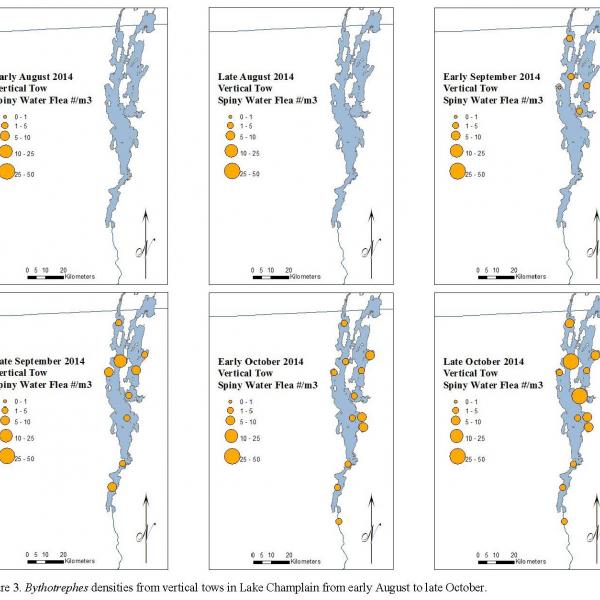
Last year we reported that spiny water flea, an invasive zooplankton, was confirmed in Lake Champlain. Analysis of all samples from August through October has now revealed the remarkable speed at which this nasty crustacean can colonize a waterbody.